

Rijo-Ferreira Lab
Our lab is interested in parasitic infections and we study them under the lenses of time of day. Our rhythmic world has been a driving force for organisms to evolve a molecular clock to anticipate such daily rhythms. Similarly, our own circadian biology leads to physiological rhythms that parasites experience.We study the single-celled parasites Plasmodium spp. that causes malaria, and Trypanosoma brucei that causes sleeping sickness. We employ technical approaches spanning from next-generation sequencing, to cellular and behavioral assays to investigate the interactions of these parasites with their hosts.Our work seeks to understand how circadian rhythms modulate host-parasite-vector interactions and identify opportunities in their rhythmic biology to treat parasitic infections.
Research
Circadian rhythms of parasites
Many parasitic infections show rhythmic daily patterns, from parasite levels fluctuating to the rhythmic release of transmissible parasite forms. However, it has been difficult to distinguish if these behaviors were intrinsic to the parasite or whether parasites were simply responding to rhythmic environmental cues, either external or from their host.
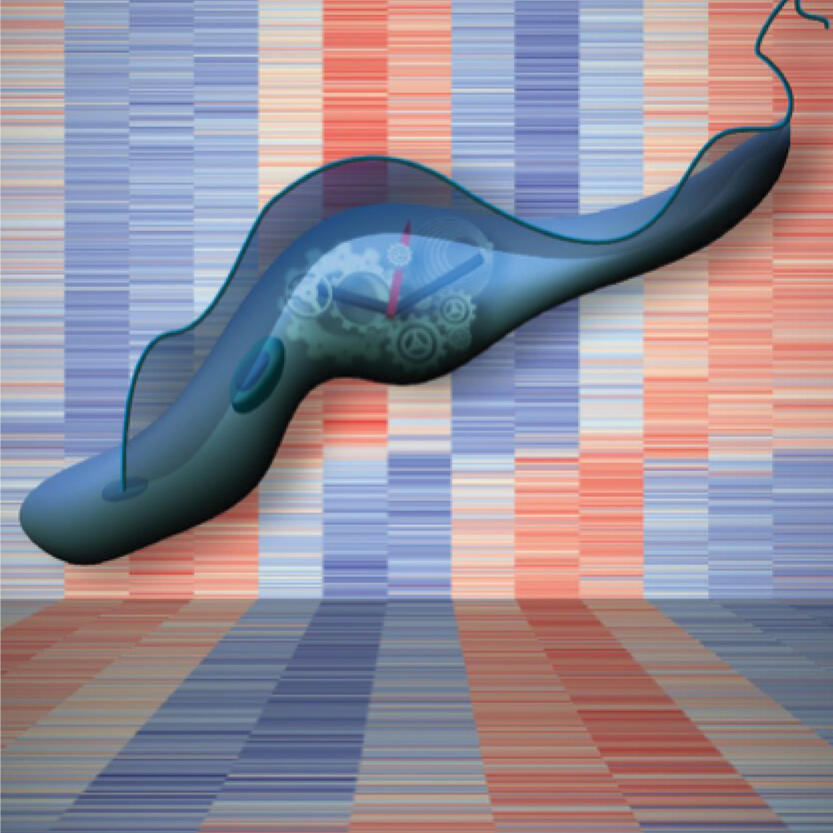
Sleeping sickness: We showed that Trypanosoma brucei parasites, unicellular parasites that cause the sleeping sickness in Africa have intrinsic rhythms in their gene expression and metabolism. This study served as a proof of principle that obligatory single-celled protist parasites (never free living during their life cycle) have evolved intrinsic circadian time-keeping mechanisms to regulate many cellular functions.
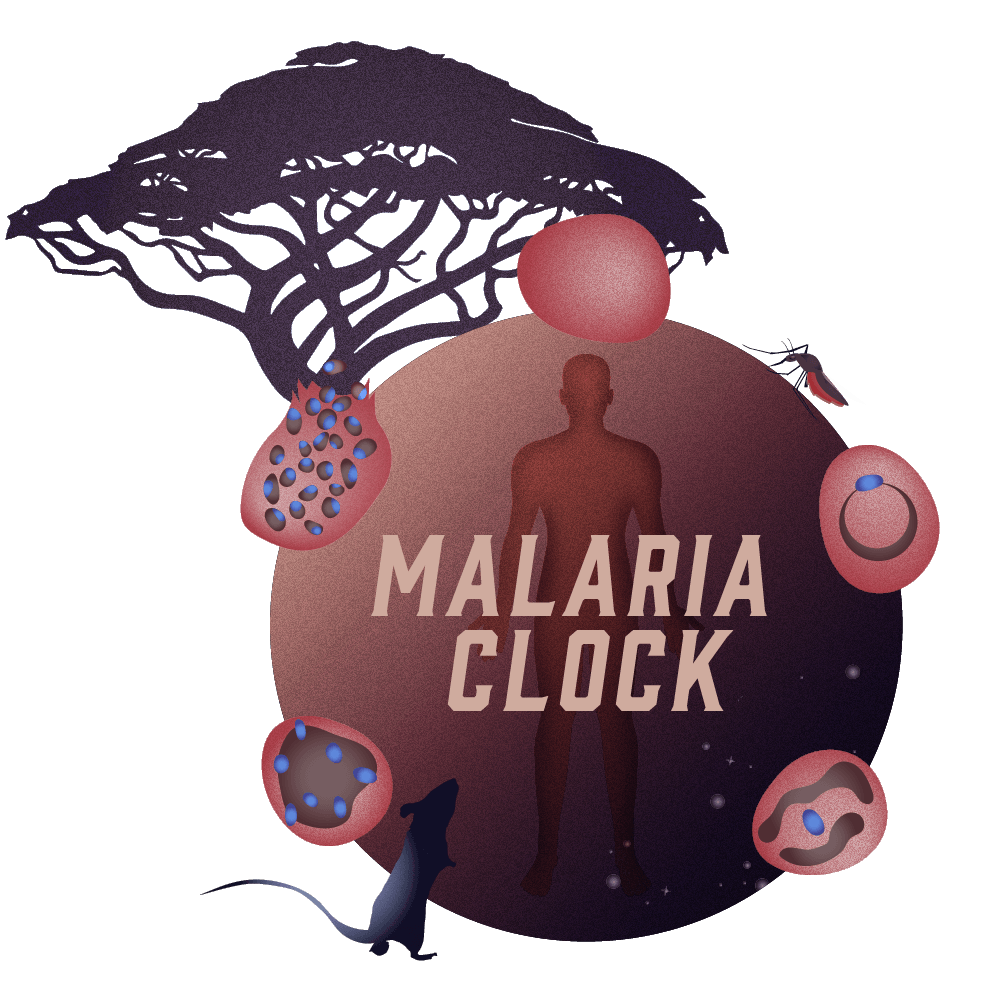
Malaria: One of the most famous examples of daily rhythms in parasites are the rhythmic fevers in malaria infections. Those fevers are a consequence of the blood-stage parasites having a synchronous asexual cycle, with a coordinated cycle from the moment of invasion of the red blood cells until their bursting. This cycle lasts 24 h or multiples of 24 h, depending on the Plasmodium species. It was clearly demonstrated almost 100 years ago that this parasite rhythm is intimately linked with the circadian rhythm of the host and its interpretation was that the parasite rhythms were a consequence of the host rhythmicity, a perception that has been carried over to these days. However, we and others showed that parasite rhythms persist independent of host rhythms in both mouse models and human parasites in culture, strongly suggesting that the malaria parasite has its own rhythms. Interestingly, the interaction with the host is important for the parasite population to be synchronized with each other, although the periodicity is intrinsically generated by the parasite.We aim to understand how do parasites keep time? How do they sense the host to become synchronous and what are the parasite clock genes?
Circadian rhythms in malaria transmission
Malaria is transmitted by the bite of an Anopheles mosquito. During this bite the mosquito injects parasites along with a cocktail of saliva proteins to modulate coagulation and vasodilation. We found that the mosquito salivary glands that are key drivers of malaria transmission are highly under circadian control. This leads to rhythms in blood ingestion efficiency and transmission across the day. At night, infection is more efficient, and this is further amplified when the clocks of the host, the parasite and the vector are aligned. These observed rhythms in transmission across the day are likely to be common to other vector borne diseases, such as dengue and Zika.How does the mosquito circadian clock impact disease transmission?
Disruption of host circadian rhythms by parasitic infections
Infection with Trypanosoma brucei in mice and humans leads to disruption of the timing at which they sleep. This distinct disruption gave rise to the name of the disease ‘sleeping sickness’. The host circadian clock is altered by the infection, and, so far, this is the only infection known to shorten the period of the host’s oscillations. This was observed at the behavior, tissue and cellular level. Molecularly, we observed that the expression of a clock repressor PERIOD2 protein rhythm had a shorter period in infected mice than in healthy mice.We aim to understand circadian host-parasite interactions. How do parasitic infections disrupt host circadian clock?
Circadian Medicine for infectious diseases
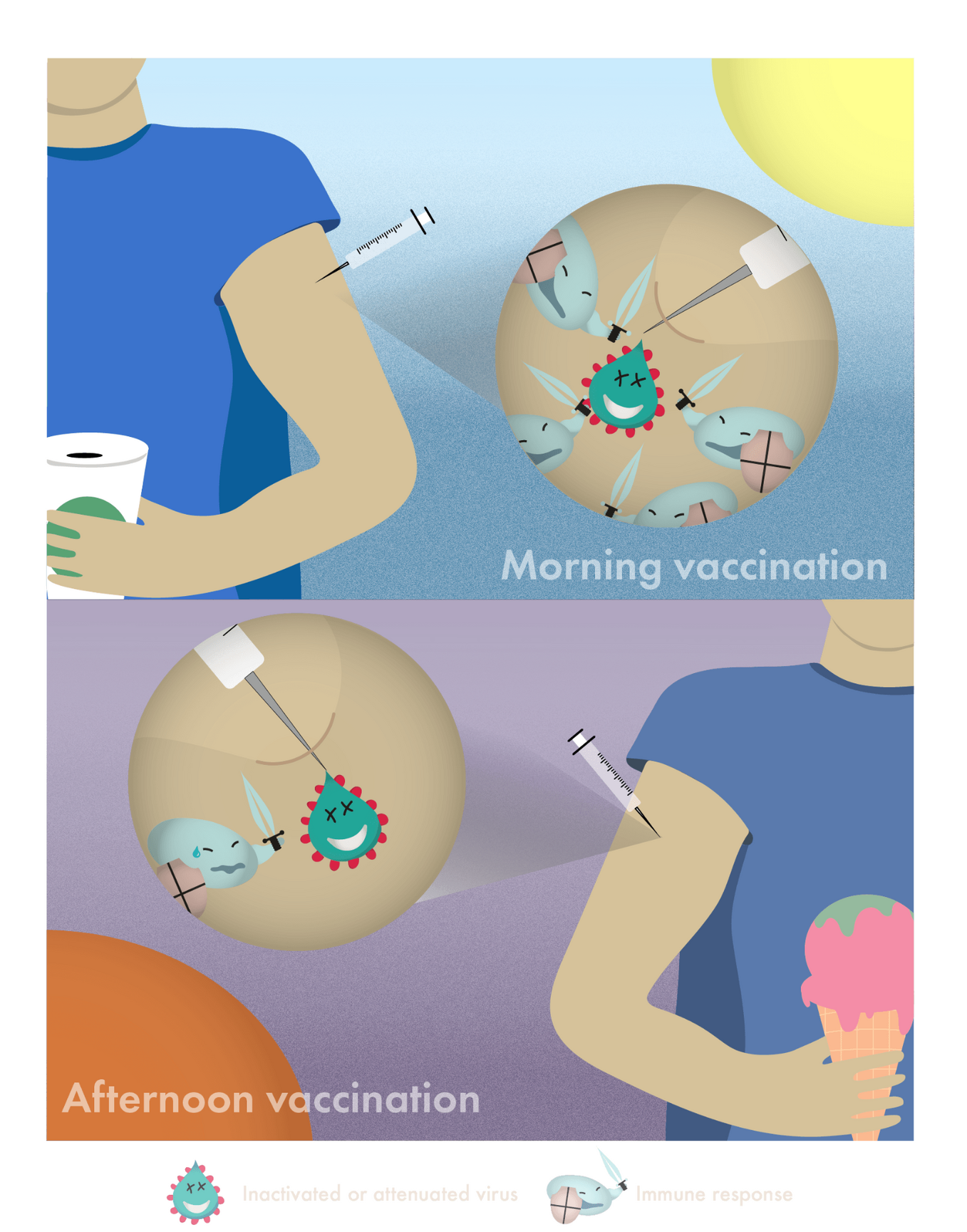
Circadian rhythms in host-microbe interactions and in microbes themselves may provide an opportunity to optimize current medical interventions. Excitingly, there are two major, yet simple and actionable, points that arise from these studies: potential optimization of 1) treatment against infectious agents by time-of-day drug administration, and 2) of boosting immunity by time of day of vaccination. Although circadian medicine has not been widely considered to treat infectious diseases, we argue that the same concepts apply. As a proof of concept, it is worth mentioning our studies on T. brucei rhythms. Because T. brucei has a circadian clock, its rhythmic biology leads to time-of-day difference in susceptibility of the parasite to suramin treatment, a drug commonly used in the field.Can we optimize treatment and prevention of infectious diseases by circadian medicine?
LAB | RESEARCH | PUBLICATIONS | TEAM | CONTACT | LOCATION
Publications

Selected Publications
Inês Bento *, Brianna Parrington *, Rushlenne Pascual *, Alexander S Goldberg, Eileen Wang, Hani Liu, Mira Zelle, Joseph S Takahashi, Joshua E Elias, Maria M Mota, Filipa Rijo-Ferreira, Parasite and vector circadian clocks mediate efficient malaria transmission. bioRxiv (2024) | Nature Microbiology (2025)Victoria Acosta-Rodriguez, Filipa Rijo-Ferreira, Mariko Izumo, Pin Xu, Mary Wight-Carter, Carla B. Green, Joseph S. Takahashi. Circadian alignment of early onset caloric restriction promotes longevity in male C57BL/6J mice. Science (2022)Filipa Rijo-Ferreira, Victoria A. Acosta-Rodriguez, John H. Abel, Izabela Kornblum, Ines Bento, Gokhul Kilaru,Elizabeth B. Klerman, Maria M. Mota, Joseph S. Takahashi. The malaria parasite has an intrinsic clock. Science (2020)Filipa Rijo-Ferreira, Theresa Bjorness, Kimberly Cox, Alex Sonneborn, Robert Greene, and Joseph S. Takahashi. Sleeping sickness disrupts the sleep-regulating adenosine system. Journal of Neuroscience (2020)Filipa Rijo-Ferreira, Tania Carvalho, Cristina Afonso, Margarida Sanches-Vaz, Rui M. Costa, Luisa M. Figueiredo, Joseph S. Takahashi. Sleeping sickness is a circadian disorder. Nature Communications (2018)Filipa Rijo-Ferreira, Daniel Pinto-Neves, Nuno Barbosa-Morais, Joseph S. Takahashi, Luisa M. Figueiredo. Trypanosoma brucei metabolism is under circadian control. Nature Microbiology (2017)
Selected Reviews


Team

Filipa Rijo-Ferreira, PhD
Assistant Professor
Division of Infectious Diseases and Vaccinology,
Berkeley Public Health
Molecular and Cell Biology Department
Chan Zuckerberg BioHub InvestigatorFilipa is an avid sailor and explorer of playgrounds with her twinsfilipaferreira [at] berkeley.edu
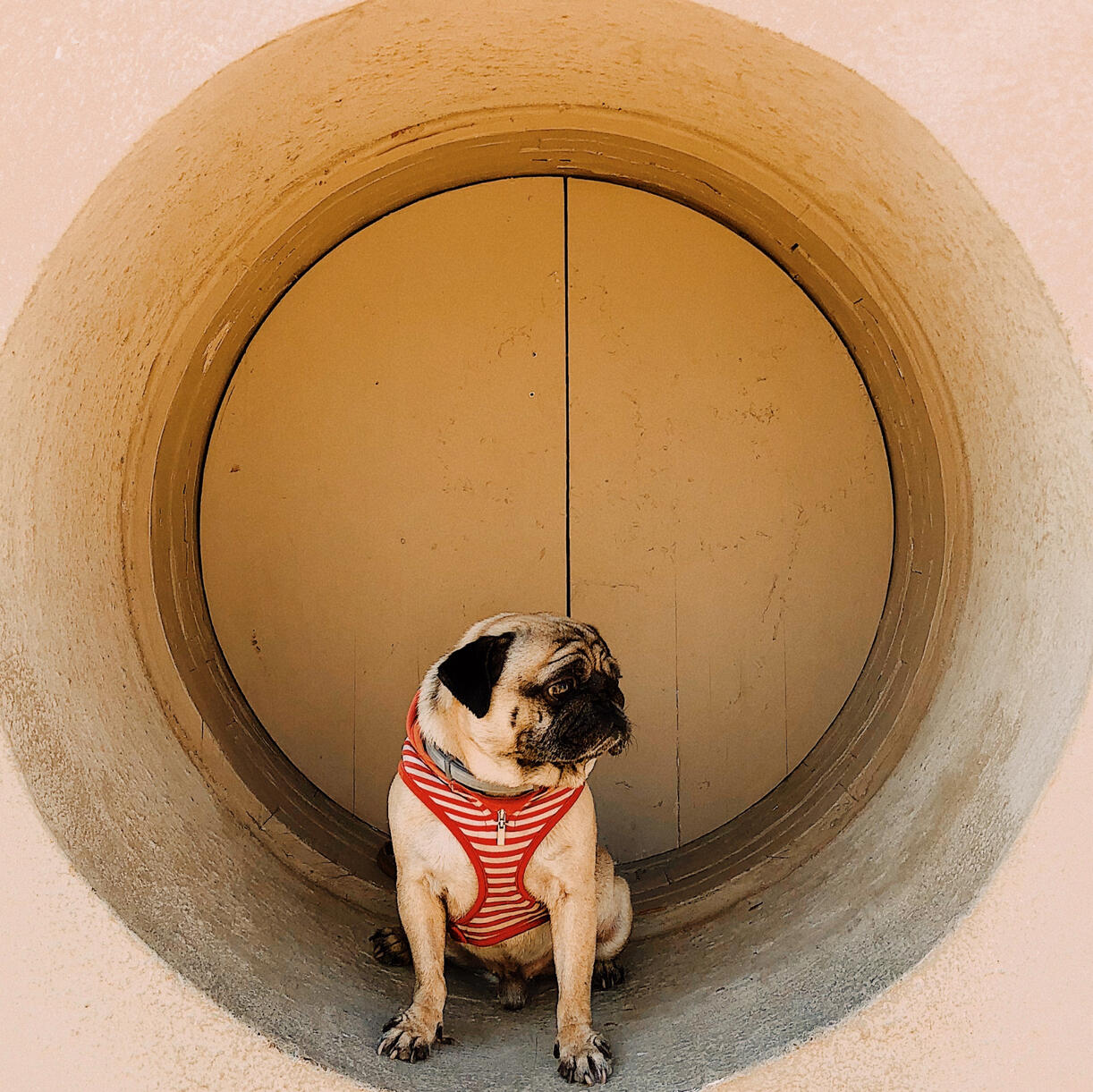
Carlos Pugsley
Cheerleader and emotional support
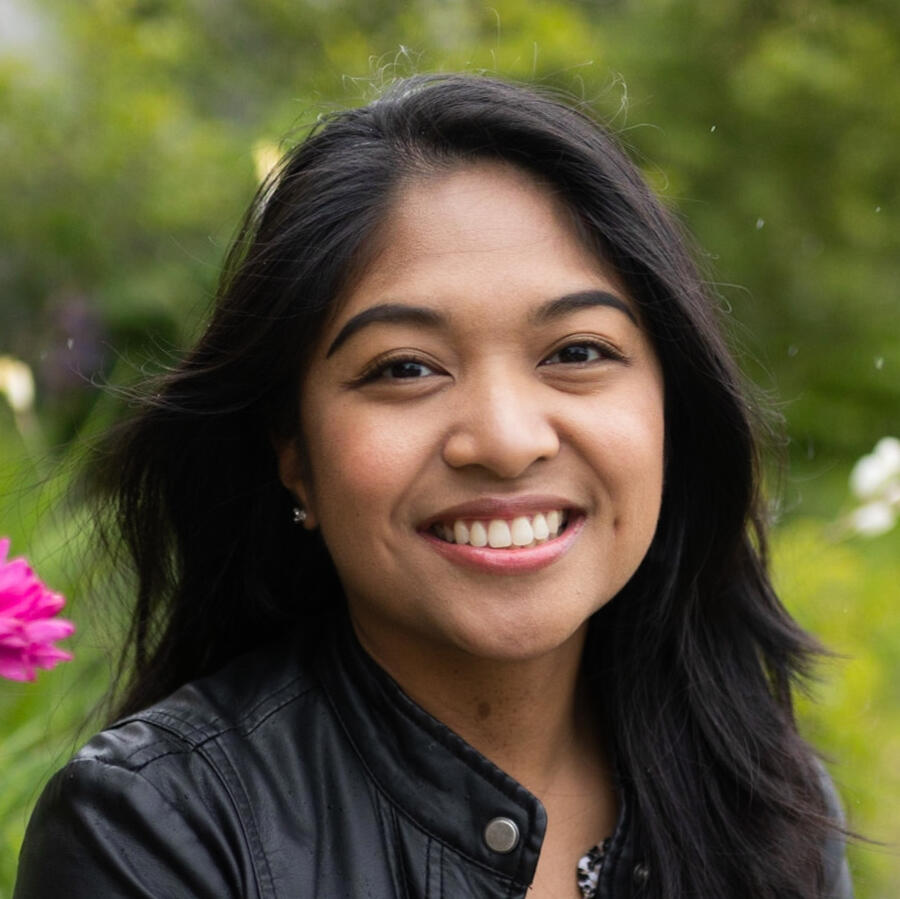
Rushlenne Pascual
Graduate Student
Infectious Diseases and ImmunityRushlenne is a Harry Potter, tennis, and boba enthusiast
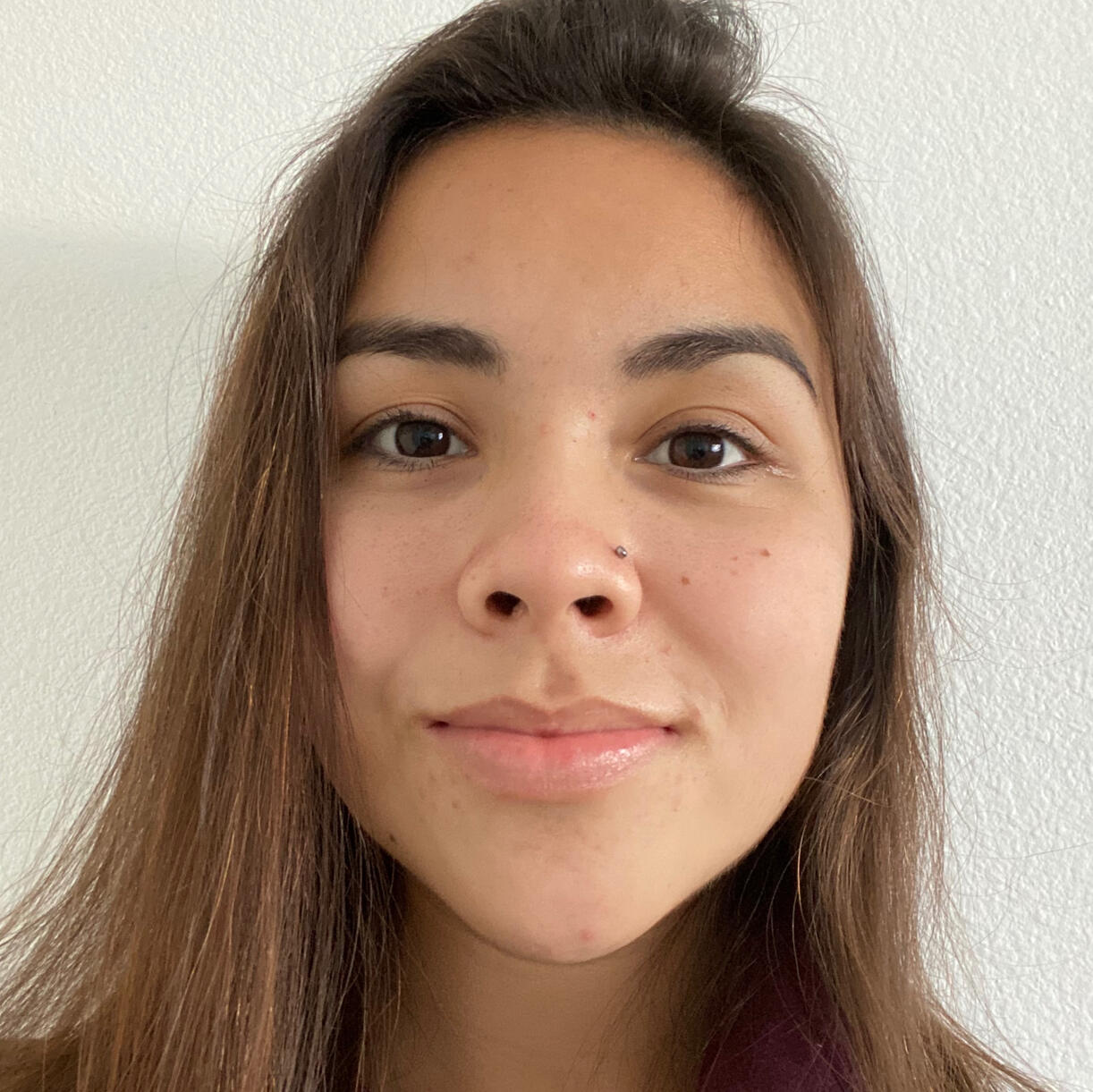
Brianna Parrington
Graduate Student
Molecular and Cell BiologyBrianna enjoys doing cardio, lifting weights, and spending time with her two cats and dog
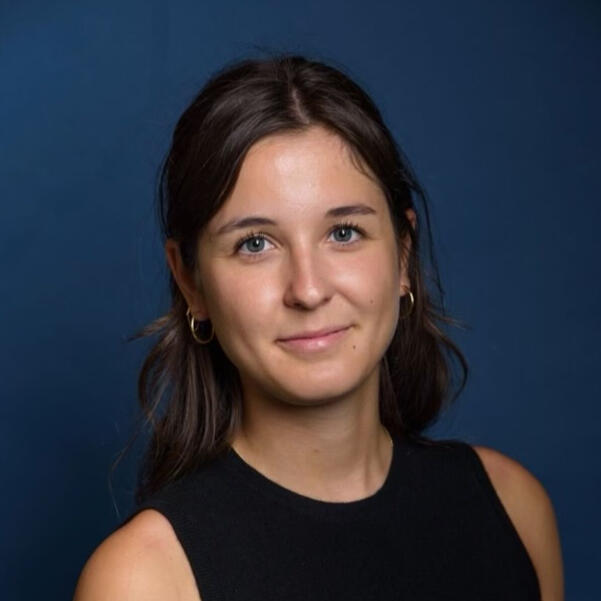
Bianca Parisi
Graduate Student
Vance Lab
Molecular and Cell BiologyBianca likes to cook, ride her bike and spend time with her cats
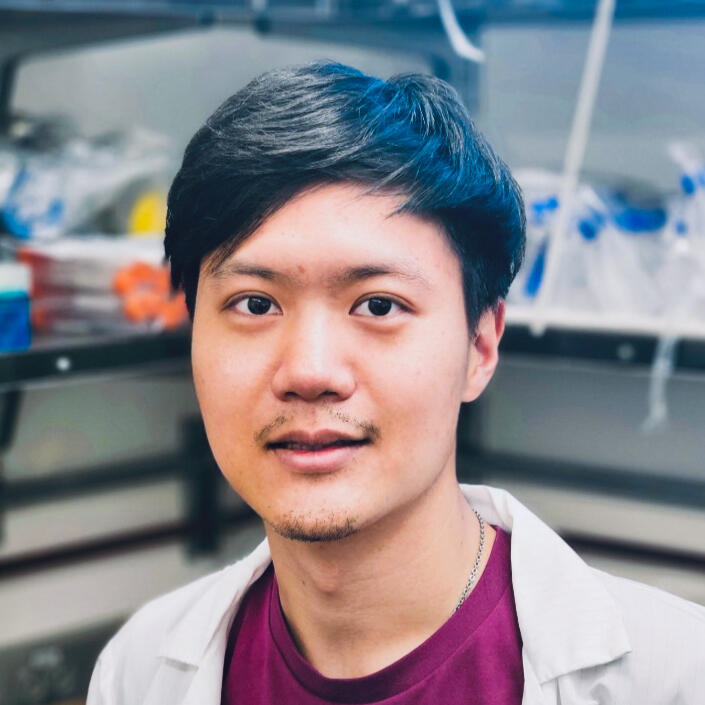
YunHung Jordy Tu
Graduate Student
Infectious Diseases & ImmunityJordy loves to play volleyball, go to concerts, and ponder the meaning of the universe with a cup of good coffee
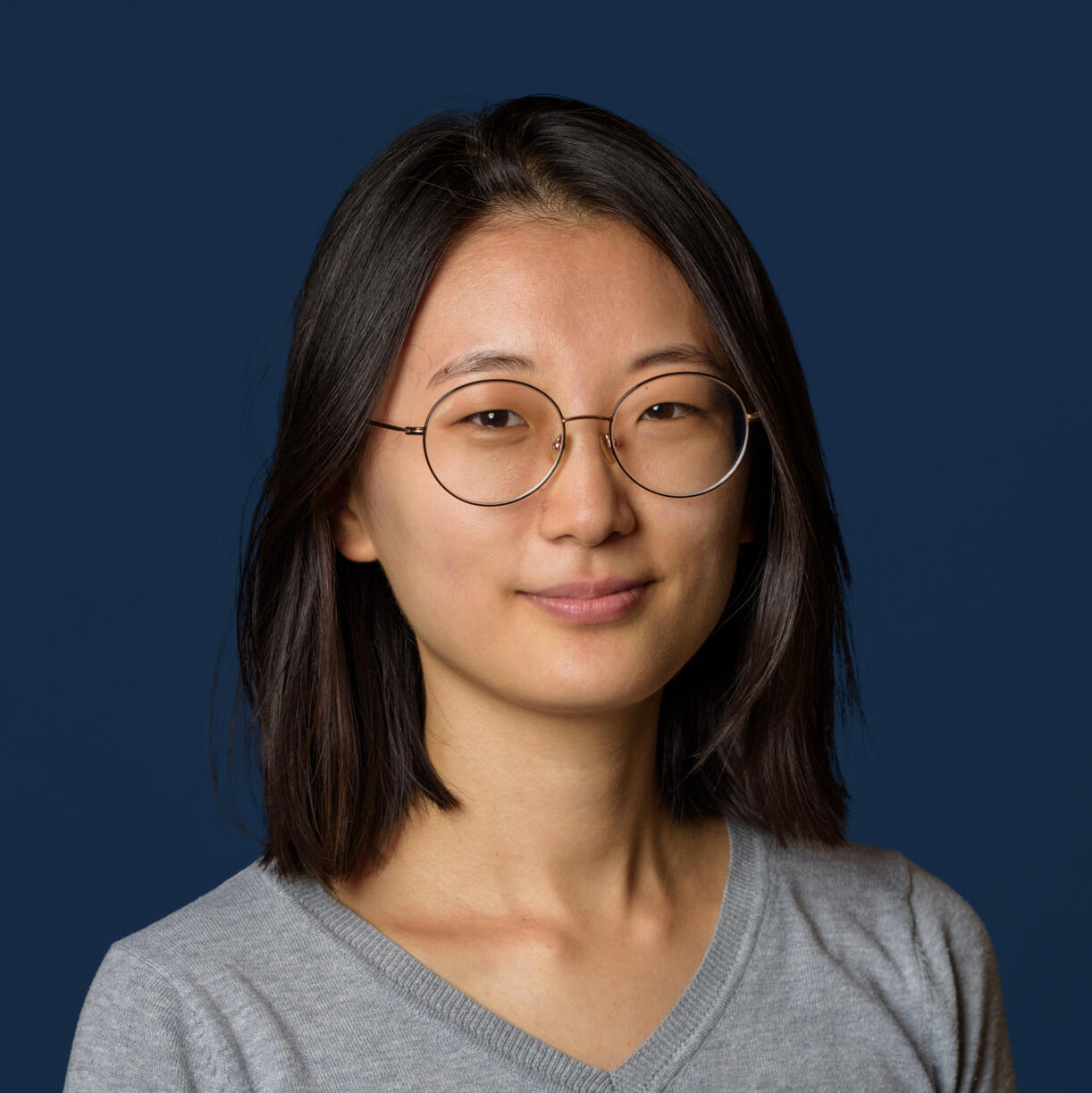
Jin Hee Yoo
Graduate Student
Molecular and Cell BiologyJin Hee loves to eat, go on long walks, and chase sunsets.

Mira Zelle
Jr Specialist
Infectious Diseases and Vaccinology, Berkeley Public HealthMira enjoys being outside, watching movies, and spending time with friends
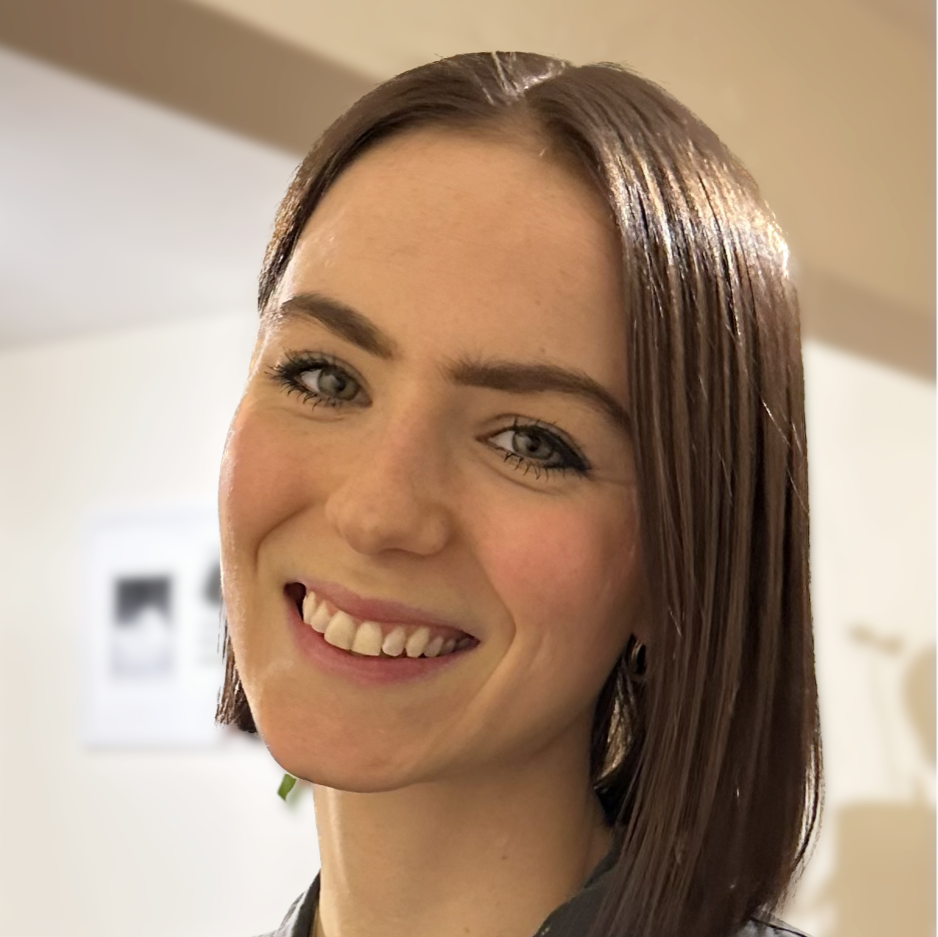
Helene Borrmann
EMBO Postdoctoral FellowHelene loves playing board games, running and chocolate
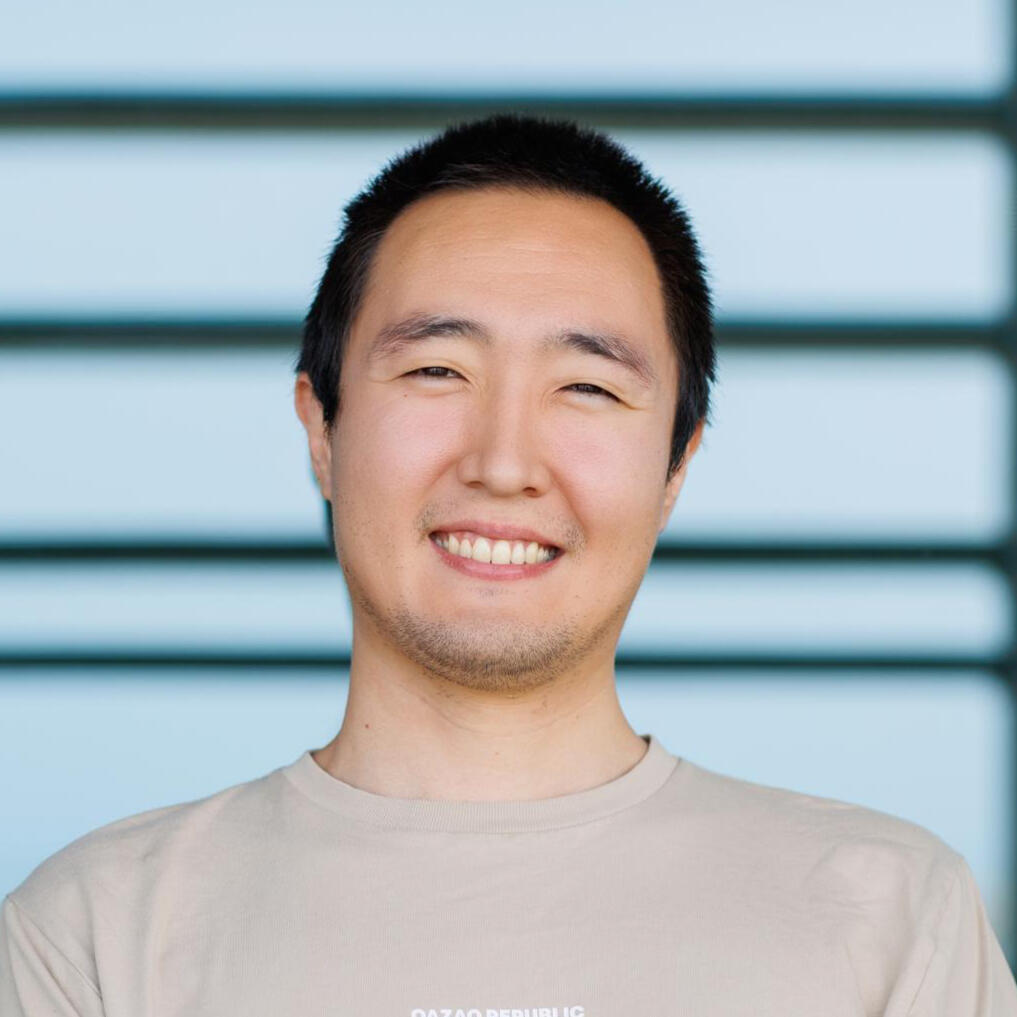
Mukhtar Sadykov
Postdoctoral FellowMukhtar enjoys engaging in scientific discussions over coffee, playing tennis, and building LEGO masterpieces with his daughter
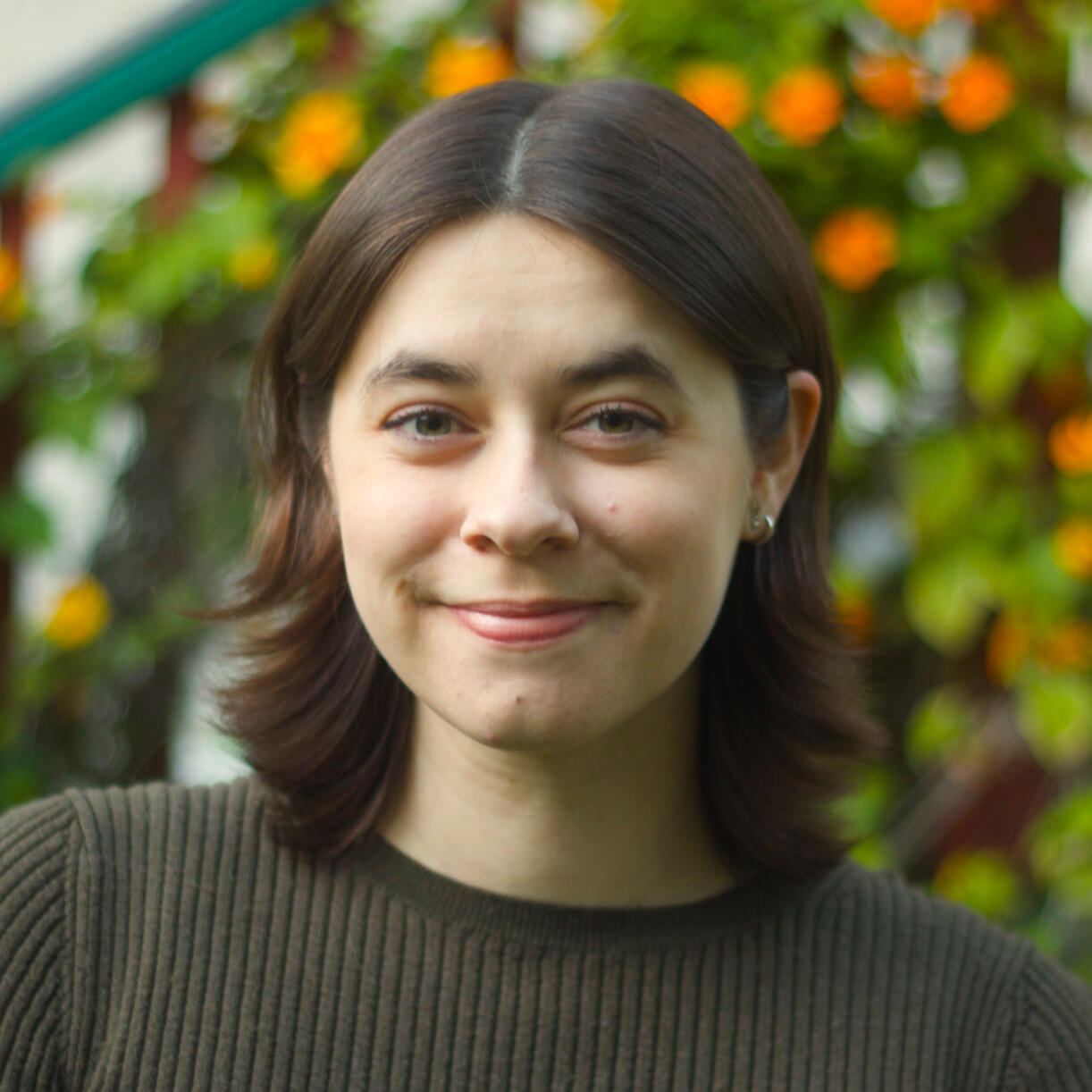
Alli Probst
Postdoctoral FellowAlli is an avid rock climber, cafe hopper, and houseplant enthusiast
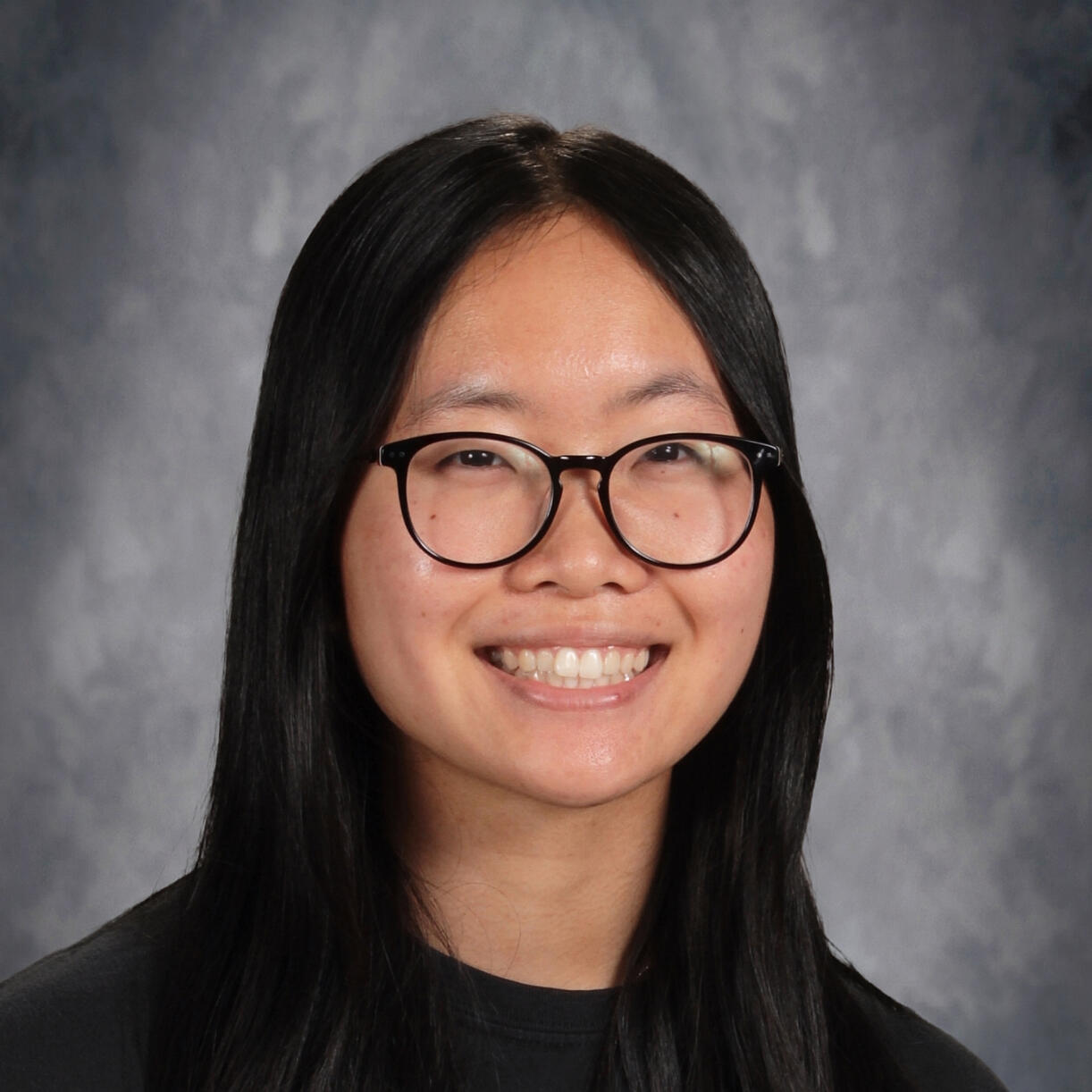
Hani Liu
Undergraduate Student
Molecular and Cell BiologyHani likes watching movies, sewing, and playing frisbee
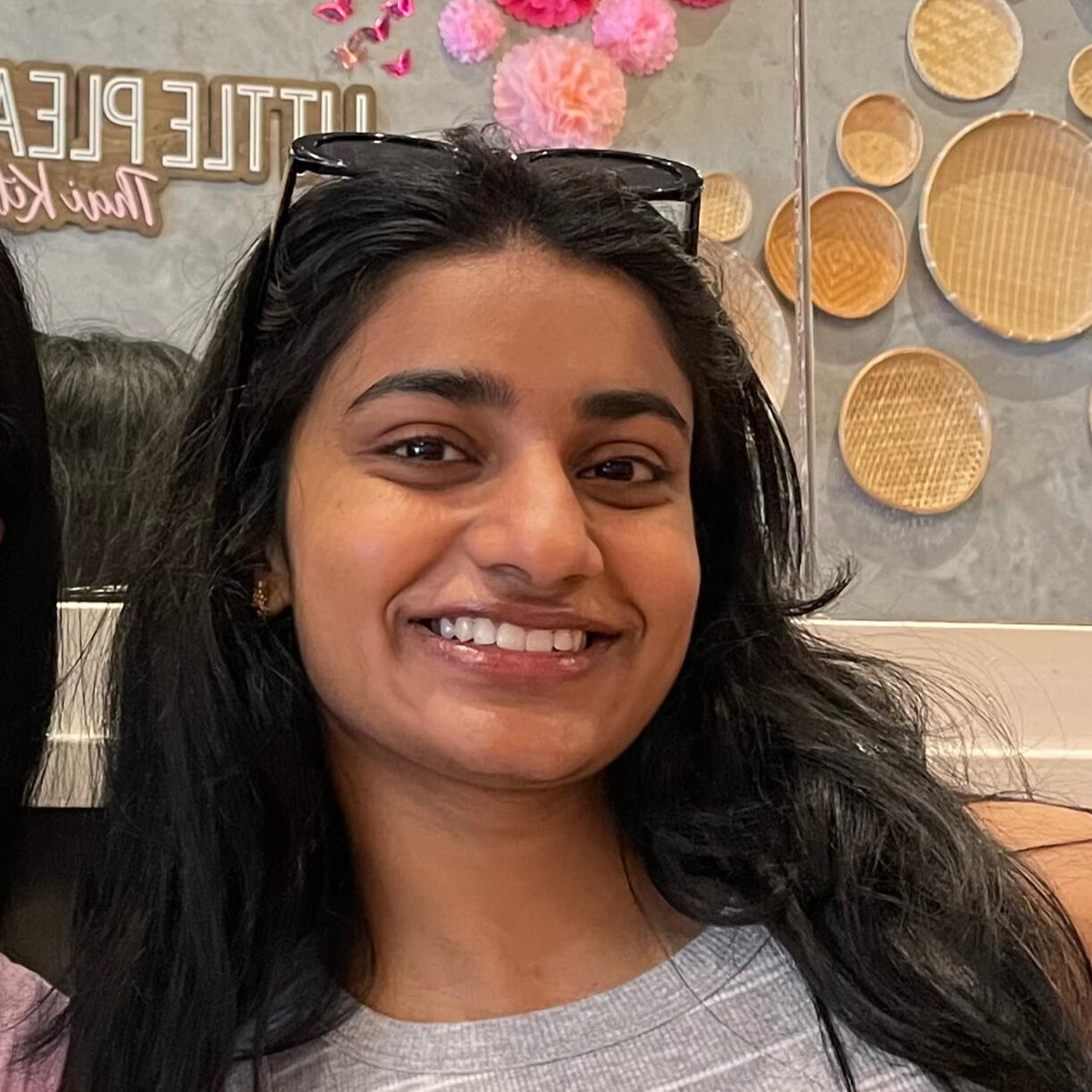
Harshita Bathina
Undergraduate Student
Molecular and Cell BiologyHarshita loves running, exploring hiking trails, and trying new recipes
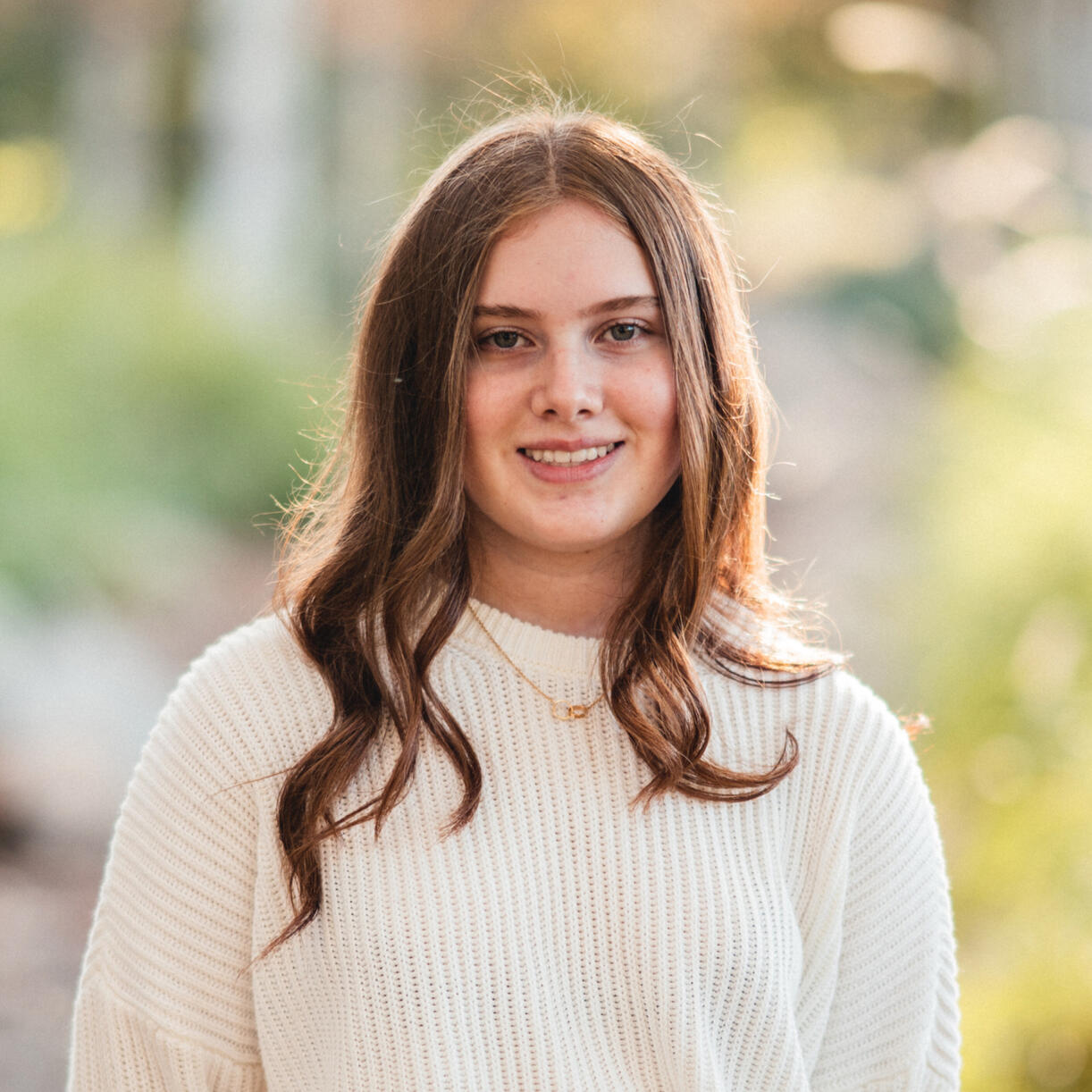
Dina Khabaz
Undergraduate Student
Molecular and Cell Biology and Business AdministrationDina likes exercising, reading, and watching movies.
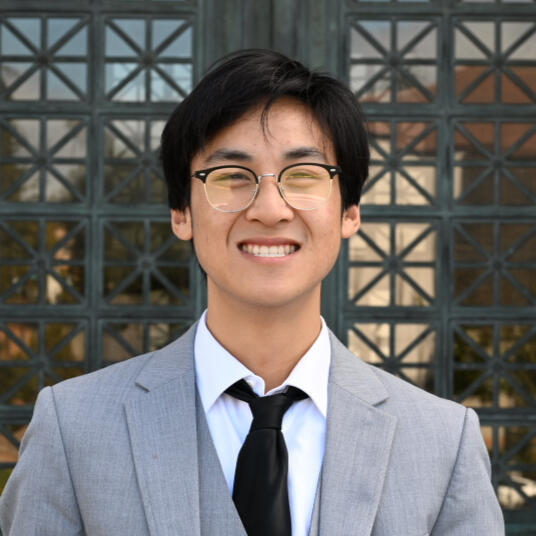
Shawn Nguyen
Undergraduate Student
Molecular and Cell BiologyShawn loves playing guitar, herb gardening, and taking care of his rabbit, Bear!
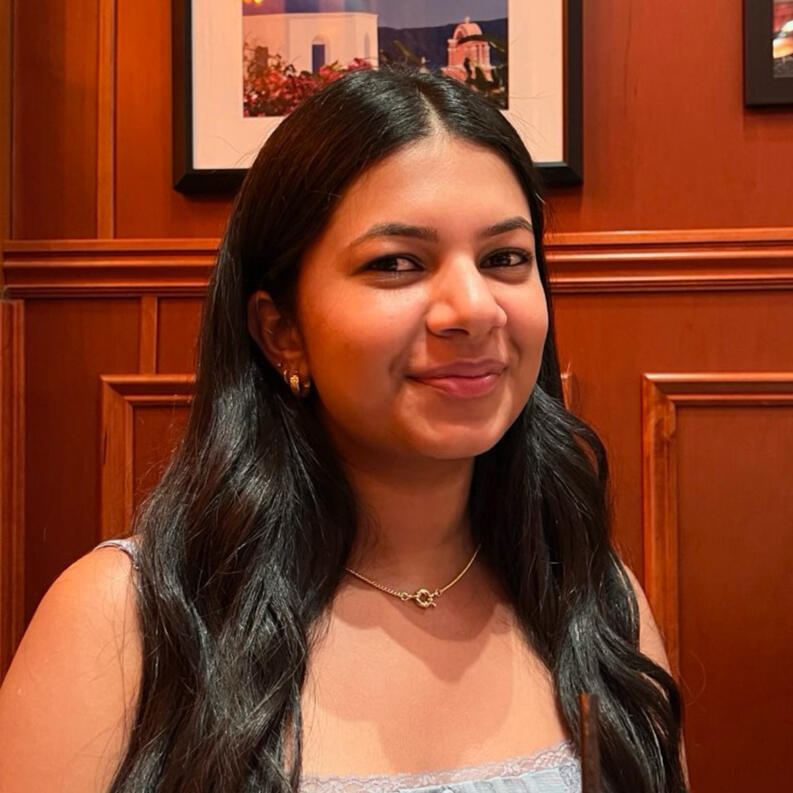
Suvali Sengupta
Undergraduate Student
Microbial BiologySuvali likes listening to music, binging TV shows, and spending time with her cat
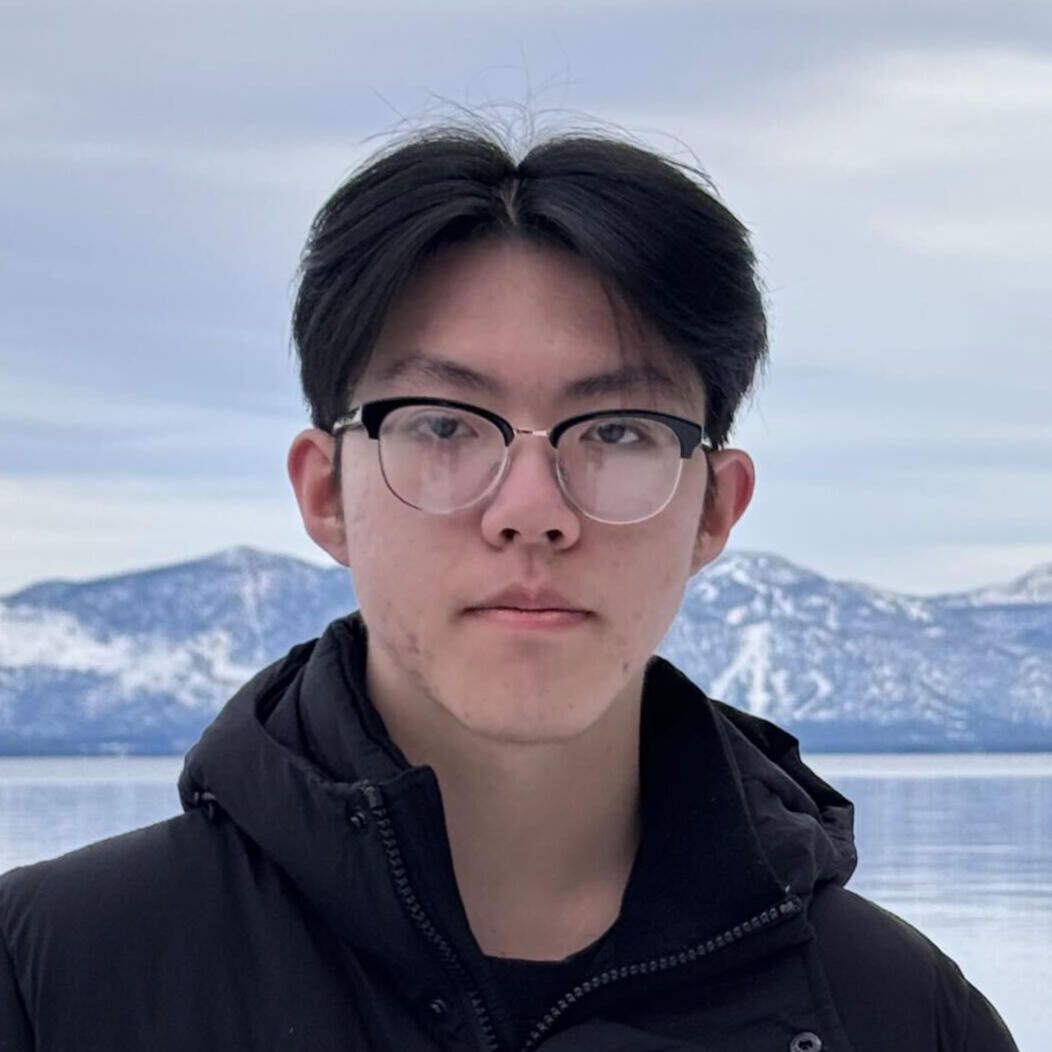
Ethan Liang
Undergraduate Student
Electrical Engineering and Computer ScienceEthan likes to cook, listen to podcasts, and tinker with electronics
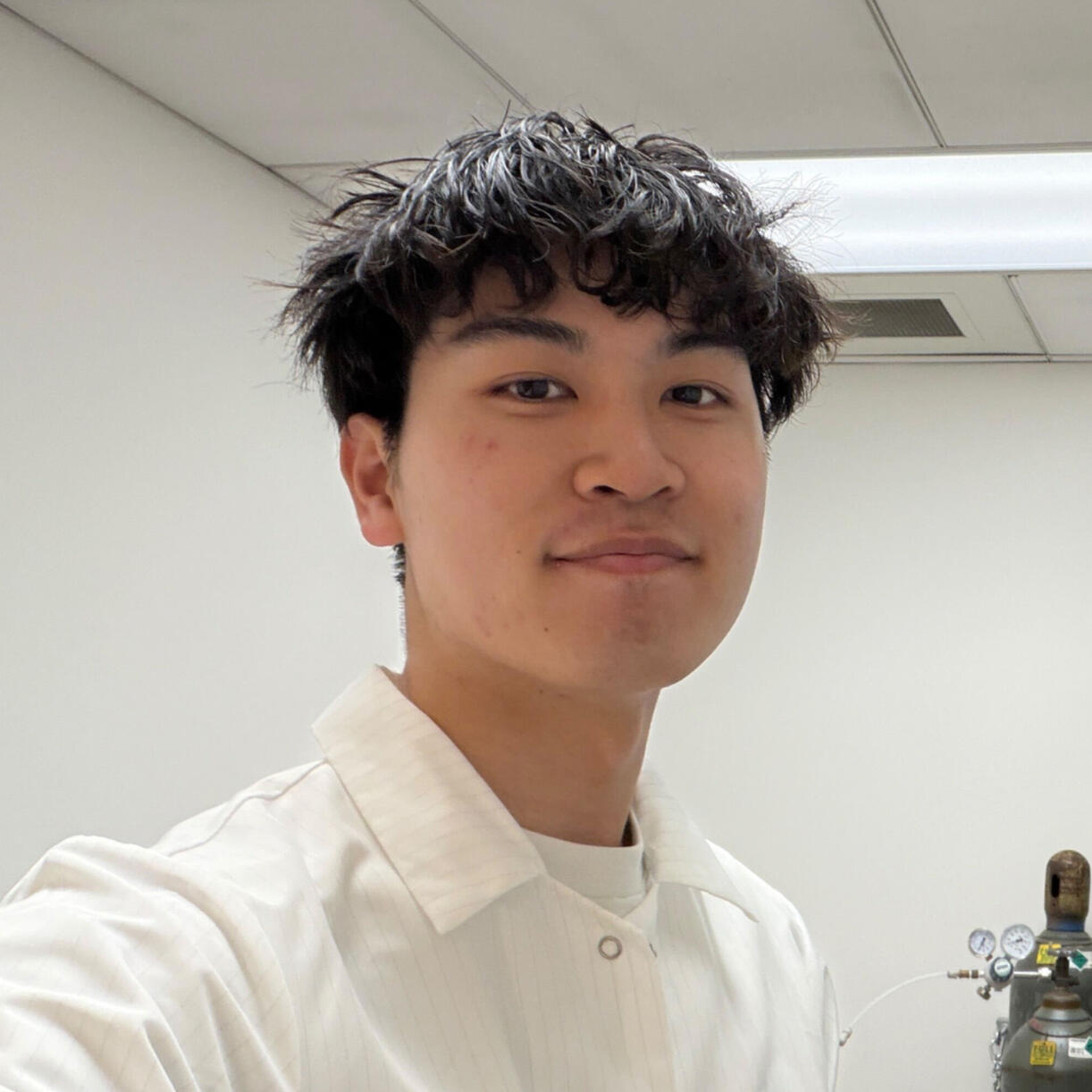
Taiki Yamamoto
Undergraduate Student
Molecular and Cell BiologyTaiki enjoys tennis, volleyball, basketball, and experimenting as a home coffee barista.
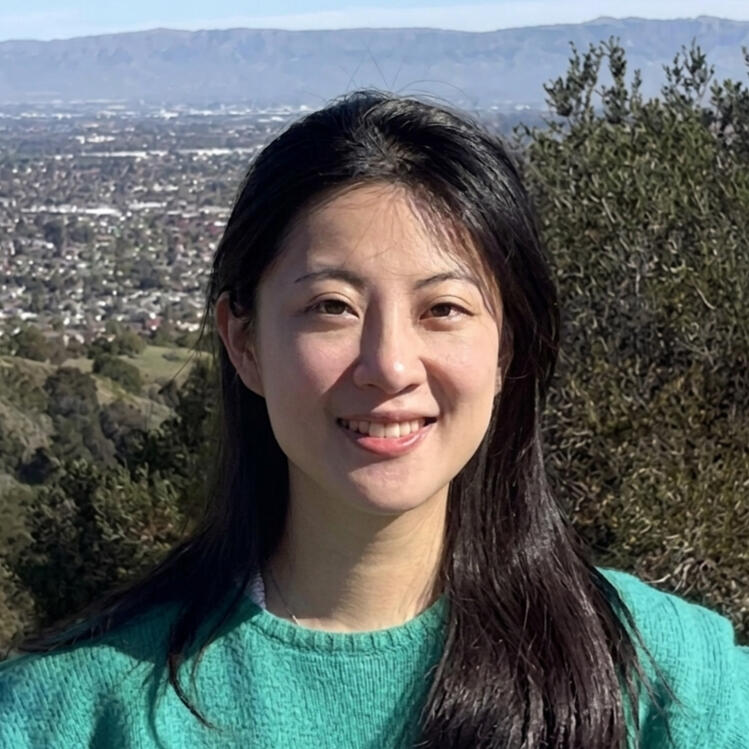
Zhen Nie
Master Student
Molecular and Cell BiologyZhen loves to hike, photosynthesize, watch TV shows, and do nothing.
Rijo-Ferreira Lab Alumni
| Name | Years in Lab | Current Position |
|---|---|---|
| Neha Simha | 2022 | Stanford Clinical Researcher |
| Danni Xuyang | 2022-2023 | Hongene Biotech |
| Katie Horvath | 2022-2023 | UCSF McManus Lab |
| Nick Coburn | 2022-2024 | PhD student UCLA |
| Paul Tyagi | 2022-2024 | MD/PhD FAU & Max Planck Florida Institute |
| Yanghyun Joo | 2024 | GIST Korea |
| Ndubuisi Ogochuku | 2025 | Howard University |
| Alex Goldberg | 2022-2025 | Palintir |
Join us
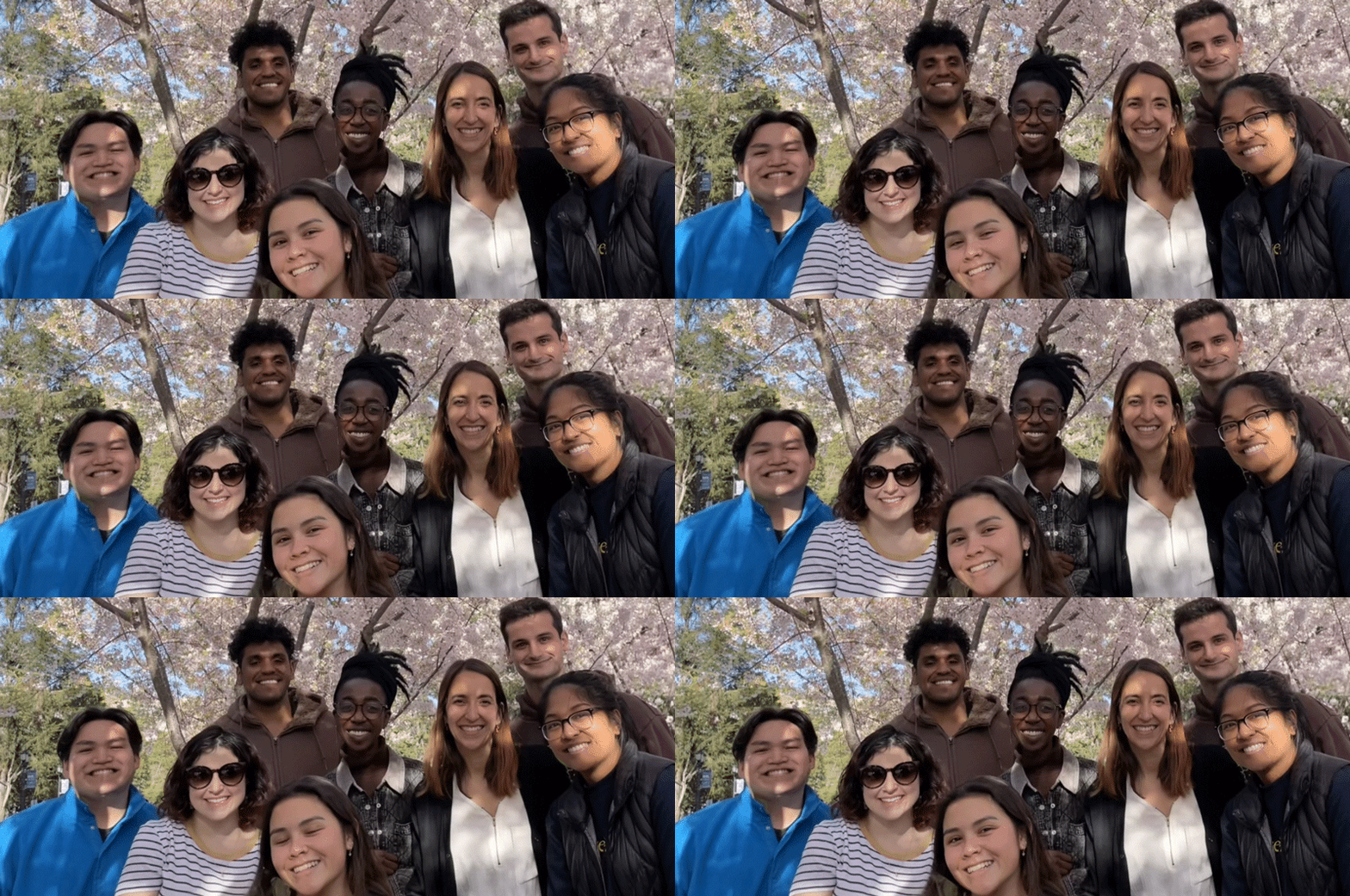
We are looking for motivated scientists with interest in various topics such as parasitology, circadian rhythms, computational biology, entomology, immunology, and gene expression.
Prospective UC Berkeley PhD students can apply to the following programs:Infectious Diseases and Immunity
Molecular and Cell Biology
Graduate students
First years please use contact form about rotations, we have openings for multiple students.
Undergraduates
Please apply through the URAP program
Postdocs
Please use the contact form and include links to a letter of interest, your CV, and contact information for three references.
51 Koshland Hall
Berkeley, CA 94720
United States


Research funded by


